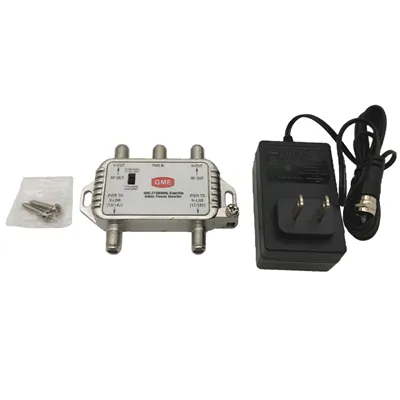
In the ever - evolving landscape of home networking, G.hn (Gigabit over Home Networking) technology has emerged as a powerful solution for delivering high - speed, reliable connectivity throughout a residence. As a G.hn supplier, I often encounter the question: Are G.hn devices expensive? In this blog, I'll delve into the cost factors associated with G.hn devices, analyze their pricing in comparison to other networking technologies, and help you understand if the investment is worth it.
Understanding G.hn Technology
G.hn is an ITU - T standardized technology designed to transmit data at high speeds over existing home wiring, including coaxial cables, telephone lines, and powerlines. This flexibility allows for seamless integration into existing home infrastructures, eliminating the need for costly and disruptive rewiring. The technology can support speeds of up to multiple gigabits per second, making it suitable for bandwidth - intensive applications such as 4K/8K video streaming, online gaming, and smart home device management.
Cost Components of G.hn Devices
To evaluate whether G.hn devices are expensive, we first need to understand what goes into their cost.
- Research and Development: The development of G.hn technology involves significant investment in research to ensure high - speed, reliable performance, low interference, and compatibility with different types of wiring. The cost of R & D is amortized over the production volume, which can contribute to the initial price of the devices.
- Components: High - quality components are essential for G.hn devices to achieve high - speed data transmission. These include advanced chipsets, signal amplifiers, and filters. The cost of these components can vary depending on the manufacturing process, performance requirements, and market supply - and - demand dynamics.
- Manufacturing and Testing: G.hn devices need to undergo rigorous manufacturing and testing processes to meet international standards and ensure product quality. The costs associated with assembly, quality control, and certification also play a role in determining the final price.
Pricing Comparison with Other Networking Technologies
- Wi - Fi: Wi - Fi is the most common wireless networking technology in homes. While basic Wi - Fi routers can be relatively inexpensive, high - end routers with the latest Wi - Fi 6 or Wi - Fi 6E standards can be quite costly. Moreover, Wi - Fi signals can be easily blocked by walls and other obstacles, leading to reduced coverage and performance. In contrast, G.hn devices can use existing wiring to provide more stable and widespread coverage. For example, EOC With WiFi6 combines the advantages of G.hn and Wi - Fi 6, offering a comprehensive networking solution. Although the upfront cost of a G.hn device might be higher than a basic Wi - Fi router, the overall performance and reliability can justify the investment.
- Ethernet Cabling: Running Ethernet cables throughout a home can provide excellent network performance, but it requires significant labor and material costs. Drilling holes in walls, laying cables, and terminating connectors can be time - consuming and expensive, especially in existing buildings. G.hn devices, on the other hand, can use the existing electrical or coaxial wiring, reducing installation costs. The G.hn Endpoint Of Coaxial with WiFi 6 is a great example of leveraging existing coaxial cables for high - speed networking, which can be a more cost - effective solution in many cases.
- Powerline Adapters: Powerline adapters are another option for extending network connectivity using the home's electrical wiring. However, their performance can be affected by electrical interference, and the speed may not be as high as that of G.hn devices. G.hn powerline devices, with their advanced technology, can offer better performance and stability, although they may be priced slightly higher.
Factors Affecting the Perceived Expense of G.hn Devices
- Market Penetration: As with any new technology, the initial market penetration of G.hn devices is relatively low compared to more established networking technologies. This can lead to higher prices due to economies of scale. As the demand for G.hn devices increases and production volumes grow, we can expect the prices to become more competitive.
- Perceived Value: Some consumers may perceive G.hn devices as expensive because they are not fully aware of the benefits they offer. For example, the ability to provide high - speed, stable connectivity throughout the home without the need for extensive wiring can save both time and money in the long run. Educating consumers about these benefits is crucial for changing their perception of the cost.
Is the Investment in G.hn Devices Worth It?
The answer depends on your specific needs and circumstances. If you have a large home with multiple floors or rooms where Wi - Fi signals struggle to reach, or if you have bandwidth - intensive applications that require a stable and high - speed connection, G.hn devices can be a worthwhile investment. For example, a family that enjoys streaming 4K movies on multiple devices simultaneously or a gamer who needs low - latency connections will benefit greatly from the performance of G.hn technology.
The EoC Gigabit Adapter Kit is an excellent choice for those looking to upgrade their home network. It provides gigabit - speed connectivity over coaxial cables, which can be easily installed in most homes. The long - term savings in terms of reduced need for additional networking infrastructure and improved user experience can offset the initial cost.
Conclusion
In conclusion, while G.hn devices may have a higher upfront cost compared to some basic networking solutions, they offer significant advantages in terms of performance, reliability, and ease of installation. As the technology matures and market penetration increases, we can expect the prices to become more affordable.
If you are considering upgrading your home network or are in need of a reliable and high - speed networking solution, I encourage you to consider G.hn devices. Our company, as a G.hn supplier, is committed to providing high - quality products and excellent customer service. We would be more than happy to discuss your specific requirements and help you find the best - suited G.hn solution for your needs. Contact us today to initiate a procurement discussion and take the first step towards a better - connected home.


References
- ITU - T G.hn Standards Documentation
- Market research reports on home networking technologies