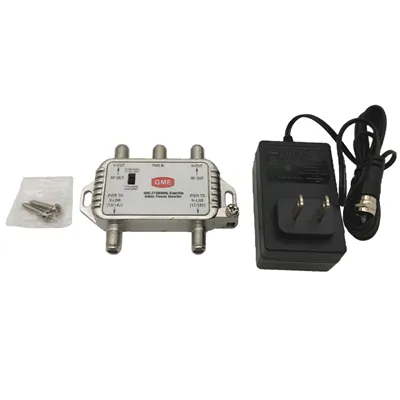
In the dynamic landscape of automotive technology, the question of whether a selector switch can be effectively used in automotive applications is both relevant and timely. As a seasoned selector switch supplier, I've witnessed firsthand the evolving demands of the automotive industry and the potential of selector switches to meet these needs. This blog post aims to delve into the feasibility, benefits, and considerations of using selector switches in automotive settings.
Understanding Selector Switches
Selector switches are electrical devices that allow users to choose between different electrical circuits or functions. They typically feature a handle or knob that can be rotated or moved to select a specific position, each corresponding to a different electrical connection. Selector switches come in various types, including rotary, toggle, and push-button, and can be designed to accommodate different numbers of positions and circuits.
Feasibility of Using Selector Switches in Automotive Applications
The automotive industry presents a unique set of challenges and requirements, including high reliability, durability, and resistance to environmental factors such as vibration, temperature, and moisture. Selector switches can be engineered to meet these demanding specifications, making them suitable for a wide range of automotive applications.
One of the primary applications of selector switches in vehicles is in the control of various electrical systems. For example, a selector switch can be used to control the mode of operation of a vehicle's heating, ventilation, and air conditioning (HVAC) system, allowing the driver to choose between different fan speeds, temperature settings, and airflow directions. Similarly, selector switches can be used to control the lighting system, enabling the driver to switch between different lighting modes such as high beams, low beams, and fog lights.
In addition to controlling electrical systems, selector switches can also be used in automotive safety and security applications. For instance, a selector switch can be used to activate or deactivate a vehicle's alarm system, providing an additional layer of security. Selector switches can also be used in conjunction with other safety features, such as airbags and anti-lock braking systems (ABS), to provide the driver with greater control and customization of these systems.
Benefits of Using Selector Switches in Automotive Applications
There are several benefits to using selector switches in automotive applications. Firstly, selector switches provide a convenient and intuitive way for drivers to control various electrical systems and functions in their vehicles. By simply rotating or moving a handle or knob, drivers can easily select the desired mode of operation, eliminating the need for complex button presses or menu navigation.
Secondly, selector switches can enhance the safety and security of vehicles. By providing drivers with greater control over electrical systems and safety features, selector switches can help to prevent accidents and reduce the risk of theft. For example, a selector switch that allows the driver to activate or deactivate the alarm system can deter potential thieves and provide peace of mind.


Thirdly, selector switches can improve the overall user experience of vehicles. By providing a more ergonomic and user-friendly interface, selector switches can make driving more comfortable and enjoyable. This can lead to increased customer satisfaction and loyalty, which is essential for the success of automotive manufacturers.
Considerations When Using Selector Switches in Automotive Applications
While selector switches offer many benefits in automotive applications, there are also several considerations that need to be taken into account. Firstly, selector switches need to be designed and manufactured to meet the specific requirements of the automotive industry. This includes ensuring that the switches are reliable, durable, and resistant to environmental factors such as vibration, temperature, and moisture.
Secondly, selector switches need to be integrated into the vehicle's electrical system in a way that is safe and reliable. This requires careful planning and design to ensure that the switches are properly wired and connected to the appropriate electrical components. It is also important to ensure that the switches are compatible with the vehicle's electrical system and do not cause any interference or malfunctions.
Thirdly, selector switches need to be easy to use and understand. This requires clear and intuitive labeling of the different positions and functions of the switch, as well as a design that is ergonomic and comfortable to operate. It is also important to provide drivers with clear instructions on how to use the switch, especially if it is a new or unfamiliar feature.
Related Products and Their Role in Automotive Ecosystem
In the broader context of automotive electrical systems, other products also play crucial roles. For example, a 1 Port GPON OLT can be used in in-vehicle communication networks, enabling high-speed data transfer between different components. This is especially important in modern vehicles with advanced infotainment and driver-assistance systems.
Another important product is the CATV Directional Coupler. In automotive applications, it can be used in the distribution of signals for entertainment systems, ensuring that the signals are properly split and distributed to different receivers within the vehicle.
The Optical Distribution Box is also relevant. It can be used to manage and protect the fiber optic cables in the vehicle's electrical system, providing a reliable and organized way to connect different optical components.
Conclusion
In conclusion, selector switches can be effectively used in automotive applications, providing a convenient, intuitive, and reliable way for drivers to control various electrical systems and functions in their vehicles. However, it is important to carefully consider the specific requirements of the automotive industry and ensure that the switches are designed, manufactured, and integrated into the vehicle's electrical system in a way that is safe, reliable, and user-friendly.
As a selector switch supplier, we are committed to providing high-quality products that meet the needs of the automotive industry. Our selector switches are designed and manufactured to the highest standards, ensuring reliability, durability, and performance in even the most demanding automotive applications.
If you are interested in learning more about our selector switches or discussing potential applications in your automotive projects, we invite you to contact us for a procurement discussion. We look forward to the opportunity to work with you and help you find the right solutions for your needs.
References
- Smith, J. (2020). Automotive Electrical Systems: Principles and Applications. Publisher X.
- Johnson, M. (2019). Handbook of Switch Technology. Publisher Y.
- Brown, A. (2018). Advances in Automotive Electronics. Publisher Z.