Hey there! I'm a CATV supplier, and I often get asked this question: "Can I use a CATV antenna instead of a cable?" Well, let's dig into this topic and find out.
First off, let's understand what a CATV antenna and a cable do. A CATV antenna, or Community Antenna Television antenna, is designed to pick up over - the - air TV signals. These signals are broadcast by local TV stations and travel through the airwaves. On the other hand, a cable TV system uses a physical cable, usually coaxial cable, to deliver TV channels directly to your home.
Advantages of Using a CATV Antenna
One of the biggest advantages of using a CATV antenna is the cost. You don't have to pay a monthly subscription fee like you do with cable TV. All you need to do is buy the antenna, which can be relatively inexpensive, and set it up. It's a great option if you're on a tight budget or just want to access some free local channels.
Another plus is the simplicity. Setting up an antenna is usually a straightforward process. You just need to place it in a good location, preferably on your roof or near a window facing the TV broadcast towers. Once it's set up, you can start getting local channels right away without having to deal with complex installations or contracts.
And let's not forget about the reliability during power outages. Cable TV systems often rely on power - hungry equipment at the cable company's end. In case of a power outage, you'll lose your cable TV service. But a CATV antenna doesn't depend on the cable company's infrastructure. As long as the TV stations are broadcasting and you have a battery - powered TV or a TV connected to a generator, you can still watch your favorite shows.
Limitations of a CATV Antenna
However, a CATV antenna also has its limitations. The biggest one is the limited number of channels. You'll mainly get local channels, which might not be enough if you're a big fan of premium channels like HBO, Showtime, or specialized sports channels. These channels are usually only available through cable or satellite TV subscriptions.
The signal quality can also be a problem. Weather conditions, like heavy rain or snow, can interfere with the over - the - air signals. And if you live in an area with a lot of tall buildings or geographical obstacles, the signals might not reach your antenna properly, leading to a fuzzy or pixelated picture.


Advantages of Using Cable TV
Cable TV, on the other hand, offers a wide range of channels. You can choose from different packages that include everything from local channels to international channels, premium movie channels, and 24/7 sports coverage. It's a one - stop - shop for all your TV viewing needs.
The signal quality is generally more stable compared to a CATV antenna. Cable TV uses a dedicated cable to deliver the signals directly to your home. This means you're less likely to experience signal interference due to weather or geographical factors.
Most cable TV providers also offer additional services like high - speed internet and home phone service. You can bundle these services together and save money. For example, you might get a discount on your monthly bill if you subscribe to cable TV, internet, and phone all at once.
Limitations of Cable TV
The main drawback of cable TV is the cost. You have to pay a monthly subscription fee, which can add up over time. And if you want to access premium channels, you'll have to pay an extra fee on top of your basic subscription.
Installation can be a hassle. You usually have to schedule an appointment with a technician to come to your home and install the cable. This can take time, and you might have to wait for a few days or even weeks, depending on the cable company's availability.
Can You Use a CATV Antenna Instead of a Cable?
The answer depends on your needs and preferences. If you're on a budget and only want to watch local channels, a CATV antenna can be a great alternative. You can save a lot of money in the long run and still enjoy some of your favorite shows.
But if you're a TV enthusiast who wants access to a wide range of channels, including premium and international channels, cable TV is probably the better option. You'll have to pay more, but you'll get a more comprehensive TV experience.
If you're in a situation where you want to supplement your cable TV service, you can use a CATV antenna to pick up some free local channels. This way, you can save a bit on your cable TV bill by dropping the local channels from your cable package.
The Role of a Multi Media Drop Amplifier
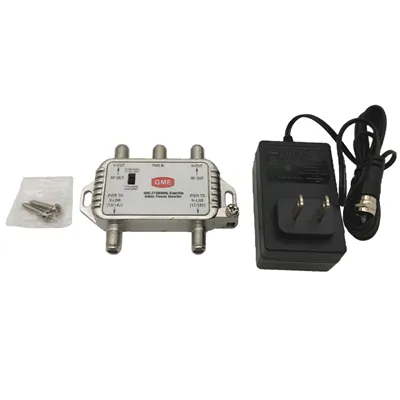
If you decide to use a CATV antenna, you might want to consider using a Multi Media Drop Amplifier. This device can boost the signal strength of your antenna, especially if you're in an area with weak signals. It can help you get a clearer picture and more channels.
Conclusion
So, to sum it up, whether you can use a CATV antenna instead of a cable depends on your individual circumstances. There are pros and cons to both options. As a CATV supplier, I can help you make the right decision based on your needs. If you're interested in learning more about our CATV antennas or cable TV solutions, feel free to reach out to us. We can provide you with detailed information and help you choose the best option for your home.
If you're thinking about making a purchase or just want to have a chat about your TV needs, don't hesitate to contact us. We're here to assist you in getting the best TV experience possible.
References
- "Television Technology Handbook" by Ralph F. White
- Various industry reports on CATV and antenna technology.