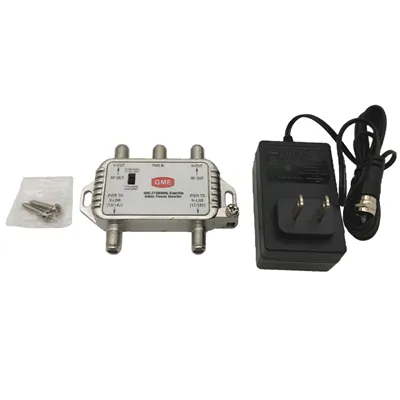
As a supplier of 1FE 1GE devices, one question that we often encounter from our clients is whether these devices are affected by temperature and humidity. In this blog post, we will explore this topic in detail, looking at the scientific principles behind the potential impact of environmental factors on 1FE 1GE functionality and performance.
Understanding 1FE 1GE
Before delving into the effects of temperature and humidity, it's essential to have a basic understanding of what 1FE 1GE means. FE stands for Fast Ethernet, which typically operates at a speed of 100 Mbps, while GE refers to Gigabit Ethernet, offering a much higher data transfer rate of 1 Gbps. A 1FE 1GE device combines both interfaces, allowing for versatile connectivity options in various network setups. These devices are commonly used in small - to - medium - sized enterprises, home networks, and as part of larger telecommunication infrastructures.
The Impact of Temperature
High Temperature
High temperatures can have several detrimental effects on 1FE 1GE devices. At the most fundamental level, electronic components generate heat during operation. When the ambient temperature is high, the heat dissipation becomes less efficient. This can lead to an increase in the internal temperature of the device, which in turn affects the performance of the semiconductor materials used in the device's integrated circuits.
Semiconductors are the building blocks of modern electronic devices. When heated, the mobility of charge carriers (electrons and holes) within the semiconductor materials changes. This change can cause fluctuations in the electrical conductivity of the components, leading to signal distortion. For example, the rise in temperature can increase the resistance in the electrical pathways, which may result in a loss of signal strength. As a consequence, data transmission errors can occur, reducing the overall network reliability.
Moreover, high temperatures can also affect the physical integrity of the device's components. The expansion and contraction of different materials used in the device due to thermal stress can cause mechanical failures. Solder joints may crack, and printed circuit boards (PCBs) can warp, which can lead to short - circuits or open - circuits, ultimately rendering the device inoperable.
Low Temperature
On the other hand, low temperatures can also pose challenges. At extremely low temperatures, the viscosity of the lubricants used in some mechanical components (if any) within the device may increase, causing moving parts to seize up. Additionally, the brittleness of certain materials can increase at low temperatures. This means that the device's plastic casing or other structural components may be more prone to cracking if subjected to even minor impacts.
From an electrical perspective, the conductivity of some materials can decrease at low temperatures. This can slow down the flow of electrons, resulting in reduced data transfer rates. In extreme cases, the device may experience startup issues or may not function at all until it warms up to an acceptable operating temperature.


The Impact of Humidity
High Humidity
High humidity levels can lead to condensation on the surface of the 1FE 1GE device. Condensation is the process by which water vapor in the air turns into liquid when it comes into contact with a colder surface. When water droplets form on the device's components, it can cause short - circuits. Electrical current can travel along the water paths, potentially damaging sensitive electronic components.
In addition, water is a good solvent and can carry contaminants from the air. Over time, these contaminants can corrode the metal parts of the device, such as the connectors and the metal traces on the PCB. Corrosion can increase the resistance of the electrical connections, leading to signal degradation and potentially complete failure of the device.
Low Humidity
Low humidity levels can also be problematic, although to a lesser extent. In dry conditions, static electricity can build up more easily. When a static discharge occurs, it can send a sudden and powerful surge of electrical current through the device. This surge can damage the delicate integrated circuits, causing permanent malfunctions.
Testing and Certification
As a responsible 1FE 1GE supplier, we subject our products to rigorous environmental testing. Our devices are tested in a temperature - and humidity - controlled chamber to simulate a wide range of real - world conditions. The testing process ensures that our products can operate within specified temperature and humidity ranges without significant performance degradation.
We also follow international standards and certifications, such as those set by the International Electrotechnical Commission (IEC). These standards provide guidelines on the acceptable environmental conditions for electronic devices, including temperature and humidity limits. By adhering to these standards, we can guarantee the quality and reliability of our products in various environments.
Our Product Portfolio and Solutions
In addition to our 1FE 1GE devices, we offer a wide range of related products that can meet diverse customer needs. For example, if you are looking for more Ethernet ports and VOIP functionality, you may be interested in our XPON ONU 1GE 3FE VOIP, XPON ONU 1GE VOIP, and XPON ONU 4GE VOIP options. These products are designed with the latest technology and are also tested to ensure they can withstand different environmental conditions.
Conclusion
In conclusion, temperature and humidity can indeed have a significant impact on 1FE 1GE devices. High or low temperatures can affect the electrical and mechanical performance of the components, while high or low humidity levels can cause issues such as short - circuits, corrosion, and static discharge. However, through proper design, testing, and adherence to international standards, we can mitigate these risks and ensure that our products operate reliably in a variety of environments.
If you are in the market for high - quality 1FE 1GE devices or any of our other related products, we invite you to contact us for a detailed discussion about your specific requirements. Whether you are setting up a new network or upgrading an existing one, our team of experts is ready to provide you with the best solutions. Let's work together to build a reliable and efficient network infrastructure.
References
- International Electrotechnical Commission (IEC) standards related to environmental testing of electronic equipment.
- Textbooks on semiconductor physics and electronic device engineering, which detail the effects of temperature and humidity on electronic components.