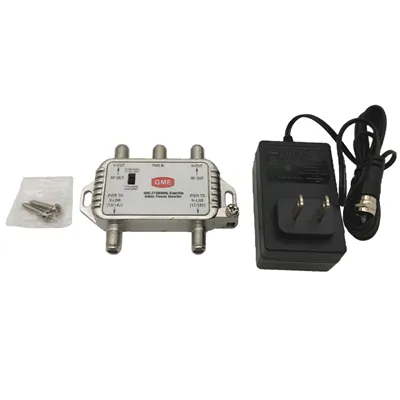
Hey there! As a supplier of 1FE 1GE network interfaces, I've seen my fair share of issues that customers run into. In this blog, I'm gonna break down some of the common problems you might face with these network interfaces and give you a bit of insight on how to deal with 'em.
1. Compatibility Issues
One of the most frequent problems we come across is compatibility. You know, not all devices play nice with each other. Sometimes, the 1FE 1GE network interface might not be compatible with the operating system of your device. For example, if you're using an older version of Windows or a niche Linux distribution, there could be driver issues. The drivers are like the translators between the network interface and your device's operating system. If they don't match up, the network interface won't work properly.
Another aspect of compatibility is with other network equipment. If you're trying to connect your 1FE 1GE interface to a switch or router that has different standards or protocols, you might run into trouble. It's like trying to fit a square peg into a round hole. The data might not transfer correctly, or you might not be able to establish a connection at all.
2. Speed and Bandwidth Problems
Speed is crucial when it comes to network interfaces. A lot of times, customers expect their 1FE 1GE network interface to deliver the advertised speeds, but they end up disappointed. There could be several reasons for this. One common culprit is network congestion. If there are too many devices connected to the same network and using a lot of bandwidth, your 1FE 1GE interface might not be able to perform at its best.
Another issue could be the quality of the cables you're using. If you're using old or low - quality Ethernet cables, they can limit the speed and bandwidth. It's like trying to pour a large amount of water through a narrow pipe. The data can't flow as quickly as it should.
3. Connectivity Issues
Connectivity problems are a real headache. You might find that your 1FE 1GE network interface keeps dropping the connection. This could be due to a loose cable connection. Sometimes, the Ethernet cable might not be plugged in properly, or it could have come loose over time. A simple check to make sure the cable is securely plugged into both the network interface and the device it's connected to can solve this problem.
There could also be issues with the network settings. Incorrect IP addresses, subnet masks, or DNS settings can prevent your network interface from connecting to the network. It's like having the wrong address for a party. You won't be able to get in.
4. Power - related Problems
Power is what keeps your network interface running. If there are power - related issues, it can cause all sorts of problems. Sometimes, the network interface might not receive enough power, especially if it's connected to a device that has a weak power supply. This can lead to intermittent connectivity or slow speeds.
On the other hand, power surges can also damage the network interface. A sudden spike in power can fry the delicate components of the interface, rendering it useless. Using a good quality surge protector can help prevent this kind of damage.
5. Hardware Failures
Just like any other piece of hardware, 1FE 1GE network interfaces can fail. Over time, the components can wear out, especially if the interface is used in a harsh environment. Heat, dust, and humidity can all take a toll on the hardware. If you notice that your network interface is making strange noises or if it's getting unusually hot, it could be a sign of a hardware problem.
Solutions to These Problems
Now that we've talked about the problems, let's discuss some solutions. For compatibility issues, make sure to check the compatibility list provided by the manufacturer. You can also try updating the drivers for your network interface. Most manufacturers provide driver updates on their websites.
To deal with speed and bandwidth problems, try reducing the number of devices connected to the network. You can also upgrade to high - quality Ethernet cables. If network congestion is a persistent problem, you might want to consider upgrading your network infrastructure.
For connectivity issues, double - check your cable connections and network settings. You can use network diagnostic tools to troubleshoot and find the root cause of the problem.
To prevent power - related problems, use a reliable power supply and a surge protector. If possible, keep your network interface in a cool, dry place to avoid hardware failures caused by environmental factors.
If you're experiencing hardware failures, it might be time to replace the network interface. As a supplier, we offer high - quality 1FE 1GE network interfaces that are built to last. We also provide excellent customer support to help you with any issues you might face.
If you're in the market for reliable network solutions, we have a range of products that might interest you. Check out our XPON ONU 1GE 3FE VOIP, XPON ONU 4GE VOIP, and XPON ONU 1GE VOIP. These products are designed to provide stable and high - speed network connectivity.


If you have any questions or are interested in purchasing our products, don't hesitate to reach out. We're here to help you find the best network solutions for your needs. Let's have a chat about your requirements and see how we can work together to solve your network problems.
References
- General knowledge from years of experience in the network interface supply industry
- Technical documentation from various network interface manufacturers