As a CATV (Cable Television) supplier, I've witnessed firsthand the intricacies and costs associated with maintaining a CATV system. In this blog post, I'll delve into the various elements that contribute to these costs, providing a comprehensive overview for anyone interested in understanding the financial aspects of running a CATV network.
Infrastructure Costs
One of the most significant expenses in maintaining a CATV system is the infrastructure. This includes cables, amplifiers, splitters, and other equipment necessary to deliver television signals to subscribers. Over time, these components can degrade due to environmental factors such as weather, rodents, and general wear and tear.
Cables, for instance, are the backbone of a CATV system. They need to be inspected regularly for damage, and any faulty sections must be replaced promptly to ensure signal quality. The cost of cable replacement can vary depending on the type and length of the cable. Fiber optic cables, which offer higher bandwidth and better signal quality, are generally more expensive than coaxial cables but are also more durable and less prone to interference.
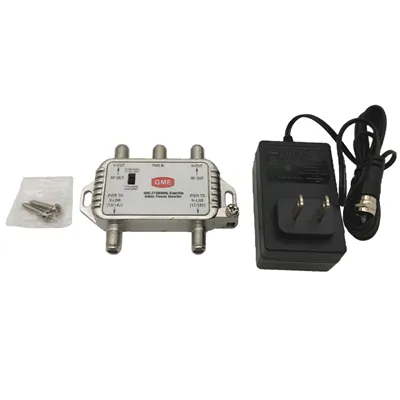
Amplifiers are another crucial component of a CATV system. They boost the signal strength to ensure that it reaches all subscribers without significant loss. However, amplifiers can also fail over time, and replacing them can be costly. For example, a Multi Media Drop Amplifier is designed to provide high-performance signal amplification for multiple media services. But when it malfunctions, the cost of a new amplifier, along with the labor to install it, can add up quickly.


Equipment Upgrades
In addition to maintaining existing infrastructure, CATV suppliers also need to invest in equipment upgrades to keep up with technological advancements and customer demands. As new television formats and services become available, such as high-definition (HD) and ultra-high-definition (UHD) programming, the CATV system must be able to support these features.
Upgrading set-top boxes is one common example. Older set-top boxes may not be compatible with the latest HD or UHD content, so suppliers need to replace them with newer models. This not only involves the cost of the new boxes but also the cost of distributing and installing them for subscribers.
Another area where upgrades are often necessary is in the headend equipment. The headend is the central facility where television signals are received, processed, and distributed to the network. As technology evolves, the headend equipment needs to be updated to handle higher bandwidths, more channels, and advanced features such as video-on-demand (VOD) and interactive television.
Maintenance and Repairs
Regular maintenance and repairs are essential to keep a CATV system running smoothly. This includes tasks such as signal testing, equipment calibration, and troubleshooting. Maintenance crews need to be on standby to respond to subscriber complaints and resolve any issues as quickly as possible.
Signal testing is a critical part of maintenance. It involves checking the strength and quality of the television signals at various points in the network to ensure that they meet the required standards. If a signal is weak or distorted, the maintenance crew needs to identify the source of the problem, which could be a faulty cable, amplifier, or other component, and make the necessary repairs.
Equipment calibration is also important to ensure that the CATV system is operating at peak performance. This involves adjusting the settings of amplifiers, splitters, and other equipment to optimize the signal strength and quality. Calibration needs to be done regularly to account for changes in the network and environmental conditions.
Labor Costs
Labor costs are a significant factor in maintaining a CATV system. This includes the salaries and benefits of maintenance crews, technicians, and customer service representatives. Maintenance crews are responsible for installing, repairing, and maintaining the infrastructure, while technicians handle more complex tasks such as equipment upgrades and signal testing.
Customer service representatives play a crucial role in dealing with subscriber complaints and inquiries. They need to be knowledgeable about the CATV system and able to provide accurate information and solutions to customers. The cost of hiring, training, and retaining these employees can be substantial, especially for larger CATV suppliers.
Regulatory Compliance
CATV suppliers are also subject to various regulations and standards that they need to comply with. These regulations cover areas such as signal quality, privacy, and safety. Complying with these regulations often requires additional resources and expenses.
For example, the Federal Communications Commission (FCC) in the United States has specific rules regarding the quality of television signals. CATV suppliers need to ensure that their signals meet these standards to avoid fines and penalties. This may involve investing in additional equipment and testing procedures to monitor and maintain signal quality.
Privacy regulations are another area of concern. CATV suppliers collect and store personal information from subscribers, such as their names, addresses, and viewing habits. They need to implement measures to protect this information and ensure that it is used in accordance with applicable laws. This may require investing in data security systems and privacy policies.
Energy Costs
Running a CATV system requires a significant amount of energy. The equipment in the headend, such as servers, routers, and amplifiers, consumes a large amount of electricity. Additionally, the cables and other infrastructure also generate heat, which needs to be dissipated through cooling systems.
Energy costs can be a major expense for CATV suppliers, especially in areas where electricity prices are high. To reduce energy consumption and costs, suppliers may invest in energy-efficient equipment and technologies. For example, some amplifiers are designed to consume less power while still providing the same level of performance.
Marketing and Promotion
To attract and retain subscribers, CATV suppliers need to invest in marketing and promotion. This includes advertising campaigns, promotional offers, and customer loyalty programs. Marketing and promotion costs can vary depending on the size and scope of the campaign.
Advertising campaigns can be expensive, especially if they involve television, radio, or print media. Suppliers may also offer promotional discounts or free trials to new subscribers to encourage them to sign up for their services. Customer loyalty programs, such as rewards points or exclusive content, can also be costly to implement but can help to retain existing subscribers.
Conclusion
Maintaining a CATV system involves a wide range of costs, including infrastructure, equipment upgrades, maintenance and repairs, labor, regulatory compliance, energy, and marketing. These costs can vary depending on the size and complexity of the system, as well as the specific needs and requirements of the subscribers.
As a CATV supplier, it's important to carefully manage these costs to ensure the profitability and sustainability of the business. By investing in high-quality equipment, implementing efficient maintenance and repair procedures, and staying up-to-date with technological advancements, suppliers can provide reliable and high-quality services to their subscribers while keeping costs under control.
If you're interested in learning more about our CATV services or discussing potential procurement opportunities, please feel free to reach out to us. We'd be happy to provide you with more information and answer any questions you may have.
References
- "Cable Television Technology and Systems" by Richard F. Webber
- "Handbook of CATV Engineering" by John L. Rettig
- Federal Communications Commission (FCC) regulations and guidelines