

Analog and digital modulators are devices used in communication systems to modulate signals for transmission. They serve different purposes and operate on different principles:
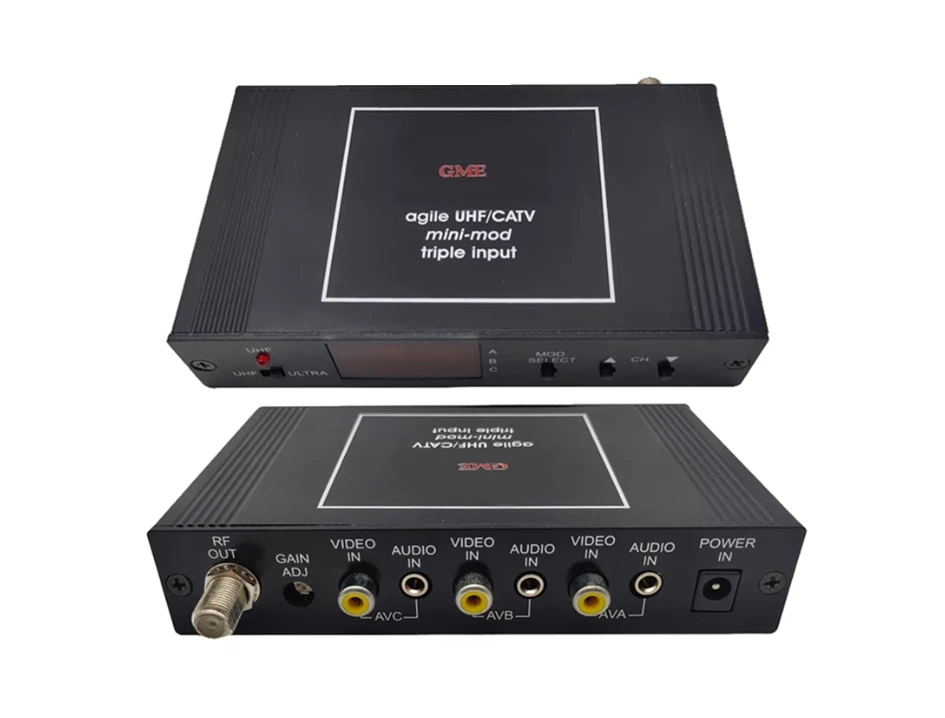
Analog Modulators:
Modulation Technique: Analog modulators manipulate continuous signals, which can be represented as varying voltages, currents, or other analog parameters. Common modulation techniques for analog signals include amplitude modulation (AM), frequency modulation (FM), and phase modulation (PM).
Signal Representation: The input signal in analog modulation is continuous and can take any value within a specified range. The modulation process involves varying some aspect of the carrier signal in proportion to the instantaneous values of the input signal.
Use Cases: Analog modulation is commonly used in traditional radio broadcasting, analog television, and some forms of two-way radio communication.
Digital Modulators:
Modulation Technique: Digital modulators, on the other hand, work with discrete signals that represent binary data. Common modulation techniques for digital signals include amplitude shift keying (ASK), frequency shift keying (FSK), and phase shift keying (PSK).
Signal Representation: In digital modulation, the input signal is a sequence of discrete symbols, usually representing binary digits (bits). The modulation process involves varying the characteristics of the carrier signal to represent these discrete symbols.
Use Cases: Digital modulation is widely used in modern communication systems, including digital radio, satellite communication, cellular networks, and data transmission over the internet. It is preferred in digital systems due to its ability to resist noise and distortion, allowing for more reliable and error-resistant communication.
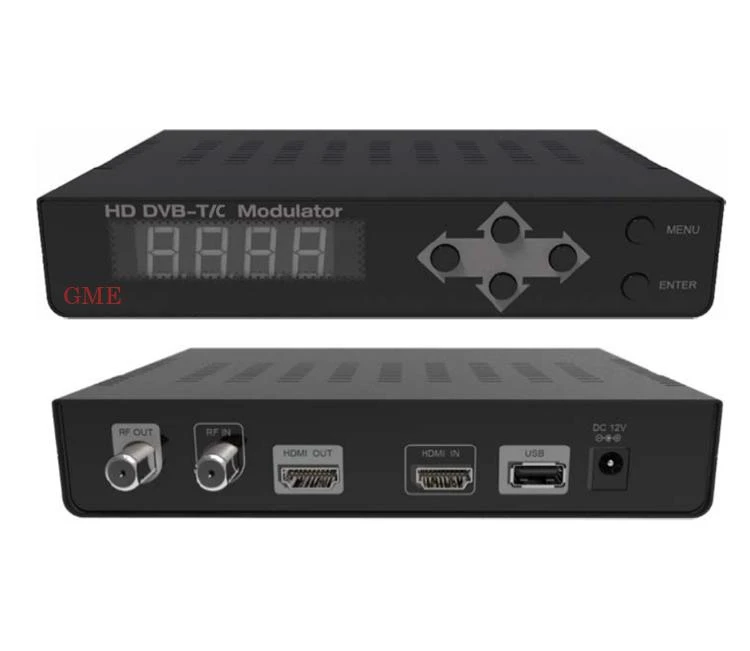
In summary, the main difference lies in the nature of the signals they work with. Analog modulators handle continuous signals, while digital modulators work with discrete signals, typically representing binary data. The choice between them depends on the specific requirements of the communication system and the type of information being transmitted.


