Hey there! I'm part of a CATV (Cable Television) supplier, and if you're looking into upgrading your CATV system, you're in the right place. Today, I'll walk you through some key steps and considerations to make that upgrade a smooth and successful one.
First things first, let's talk about why you might want to upgrade your CATV system. Maybe your current system is experiencing signal issues, like pixelation or drop - outs. Or perhaps you're looking to offer more channels and better quality content to your viewers. With the ever - evolving technology and increasing demand for high - definition (HD) and even ultra - high - definition (UHD) programming, an upgrade is often necessary to stay competitive.
Assessing the Current System
The initial step in upgrading your CATV system is to carry out a thorough assessment of your existing setup. You need to know what you're working with. Check out the cables. Old coaxial cables can degrade over time, leading to signal loss. Look for signs of wear, such as fraying or corrosion. If your cables are more than a decade old, it's very likely that they could use an upgrade.
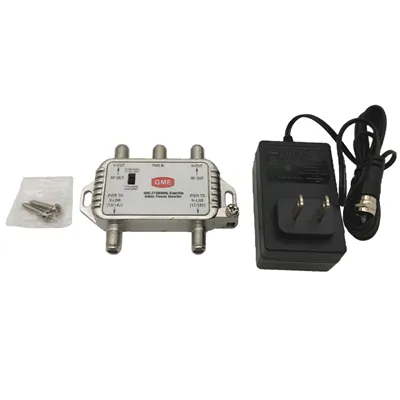
Next, examine the amplifiers. Amplifiers are crucial in boosting the signal strength as it travels through the cable network. Outdated amplifiers might not be able to handle the increased bandwidth required for HD and UHD content. For a quality upgrade, you might want to consider the Multi Media Drop Amplifier which is designed to enhance the signal and support multiple media streams.
Defining Your Goals
Once you've got a clear picture of your current system, it's time to define your upgrade goals. Are you aiming to increase the number of available channels? Or do you want to improve the overall signal quality? Maybe you're planning to expand your service area. Determining your goals will help you focus your efforts and make the right choices when it comes to equipment and technology.
If you're looking to offer more channels, you'll need to ensure that your system has enough bandwidth to support them. This might involve upgrading your head - end equipment, which is responsible for receiving, processing, and distributing the cable signals. Additionally, you'll need to make sure that your network can handle the increased data traffic.
Choosing the Right Equipment
Selecting the appropriate equipment is a critical part of the upgrade process. For cables, fiber optic cables are becoming the gold standard in CATV systems. They offer higher bandwidth, less signal loss, and are more resistant to environmental factors compared to coaxial cables. While the initial investment in fiber optic cables is higher, they provide long - term benefits in terms of performance and reliability.
When it comes to amplifiers, as mentioned earlier, look for amplifiers that are designed to support the latest technologies and bandwidth requirements. The Multi Media Drop Amplifier can be a great choice as it not only boosts the signal but can also handle multiple media types, ensuring a high - quality viewing experience for your customers.
Another important piece of equipment is the set - top box. Modern set - top boxes come with features like on - demand programming, digital video recording (DVR), and smart TV capabilities. Upgrading your set - top boxes can significantly enhance the user experience and make your service more appealing.
Network Design and Installation
A well - designed network is essential for a successful CATV system upgrade. The network layout should be optimized to minimize signal loss and interference. You need to consider factors like the distance between the head - end and the subscriber locations, the number of splitters and connectors, and the placement of amplifiers.
During the installation process, it's crucial to follow industry best practices. Make sure that all cables are properly terminated and grounded to prevent signal leakage. Double - check the connections to ensure that there are no loose or faulty joints. And don't forget to test the signal at various points in the network to confirm that it meets the required specifications.
Testing and Quality Assurance
After the installation is complete, it's time for testing and quality assurance. Use professional testing equipment to measure the signal strength, quality, and bandwidth at different locations in the network. Check for any signs of interference or signal degradation. You can perform tests for both analogue and digital signals, depending on your system configuration.
It's also a good idea to conduct user acceptance testing. Invite a group of customers to test the new system and provide feedback. This will help you identify any issues that might not be apparent during the technical testing phase. Based on the feedback, you can make any necessary adjustments to improve the system performance.
Staff Training
Upgrading your CATV system also means that your staff needs to be trained on the new equipment and technologies. Your technicians should be familiar with the installation, maintenance, and troubleshooting procedures of the upgraded system. They need to know how to handle the new amplifiers, cables, and set - top boxes.


Offer training sessions that cover both theoretical knowledge and hands - on practical skills. This will ensure that your staff is equipped to provide excellent customer service and support in case of any issues with the upgraded system.
Cost Considerations
Of course, upgrading a CATV system comes with a cost. You need to budget for the equipment, installation, testing, and staff training. However, it's important to look at the long - term benefits of the upgrade. An upgraded system can attract more customers, increase customer satisfaction, and ultimately lead to higher revenue.
You can explore different financing options, such as leasing the equipment or spreading the cost over a period of time. And don't forget to compare prices from different suppliers to get the best deal.
Customer Communication
Throughout the upgrade process, it's crucial to keep your customers informed. Let them know about the upgrade schedule, any potential disruptions in service, and the benefits they can expect. You can use various communication channels, such as email, phone calls, and your website, to reach out to your customers.
Timely and transparent communication will help minimize customer dissatisfaction and build trust in your brand. You can also use the upgrade as an opportunity to promote any new features or services that will be available after the upgrade.
Conclusion
Upgrading a CATV system is a complex but rewarding process. By following the steps outlined above - assessing the current system, defining your goals, choosing the right equipment, designing and installing the network, testing and ensuring quality, training your staff, considering the costs, and communicating with your customers - you can ensure a successful upgrade.
If you're interested in upgrading your CATV system and need more information or products, don't hesitate to reach out to us. We're here to help you make the most of your upgrade and provide you with high - quality CATV solutions.
References
- Industry standards for CATV systems
- Manufacturer's guidelines for CATV equipment
- Past case studies of successful CATV system upgrades