Hey there! As a filter supplier, I've been in the business for quite some time, and I often get asked about multi - stage filters. So, I thought I'd take a few minutes to break down what a multi - stage filter is, how it works, and why it might be a great option for you.
What is a Multi - Stage Filter?
A multi - stage filter is exactly what it sounds like: a filtration system that uses multiple stages to purify a fluid (usually air or water) or a signal. Instead of relying on a single filter to do all the work, multi - stage filters divide the filtration process into several steps, each targeting different types of contaminants or frequencies.
Let's take water filtration as an example. In a single - stage water filter, you might have a basic carbon filter that can remove some chlorine and sediment. But a multi - stage water filter could have a pre - filter to catch large particles like sand and dirt, an activated carbon filter to remove chemicals and odors, and a reverse osmosis membrane to get rid of dissolved solids, bacteria, and viruses. By having multiple stages, the filter can provide a much higher level of purification.
In the world of electronics, especially in the field of signal processing, multi - stage filters work in a similar way. They're designed to selectively allow or block certain frequencies of an electrical signal. For instance, in a radio frequency (RF) system, a multi - stage filter can be used to isolate the desired signal from noise and interference.
How Does a Multi - Stage Filter Work?
The key to a multi - stage filter's effectiveness lies in its ability to tackle different types of contaminants or frequencies at each stage. Each stage is designed with a specific purpose in mind, and they work together in a sequential manner.
Let's say we're talking about an air filter. The first stage might be a coarse pre - filter. This filter has large pores and is designed to catch big particles like dust, hair, and lint. By removing these large particles early on, it prevents them from clogging the more sensitive and finer filters in the later stages.


The second stage could be a HEPA (High - Efficiency Particulate Air) filter. HEPA filters are incredibly effective at capturing small particles, including pollen, mold spores, and some bacteria. They can trap particles as small as 0.3 microns with an efficiency of 99.97%.
The third stage might be an activated carbon filter. This filter is great for removing odors, chemicals, and volatile organic compounds (VOCs). It works by adsorbing these substances onto its surface.
In the case of signal filters, each stage might be designed to target a specific range of frequencies. For example, a low - pass filter in the first stage might allow low - frequency signals to pass through while blocking high - frequency noise. The second stage could be a band - pass filter that further refines the signal by only allowing a specific range of frequencies to pass.
Advantages of Multi - Stage Filters
There are several advantages to using multi - stage filters over single - stage filters.
First of all, they offer better filtration. Since each stage is optimized for a different type of contaminant or frequency, multi - stage filters can provide a much more comprehensive purification. Whether it's removing more types of particles from water or getting a cleaner signal in an electronic system, multi - stage filters are usually the way to go.
Secondly, they have a longer lifespan. The pre - filters in a multi - stage system take the brunt of the large contaminants, which means the more expensive and sensitive filters in the later stages don't get clogged as quickly. This reduces the frequency of filter replacements and saves you money in the long run.
Another advantage is flexibility. Multi - stage filters can be customized to meet specific needs. You can choose different types of filters for each stage depending on the contaminants you're trying to remove or the frequencies you're trying to isolate.
Types of Multi - Stage Filters
There are many different types of multi - stage filters, and the type you choose depends on your specific application.
Water Filters: As I mentioned earlier, water multi - stage filters can have pre - filters, carbon filters, and reverse osmosis membranes. They're commonly used in homes, offices, and industrial settings to provide clean, safe drinking water.
Air Filters: These are used in HVAC systems, air purifiers, and industrial ventilation systems. They can include pre - filters, HEPA filters, and carbon filters to remove dust, pollen, smoke, and odors from the air.
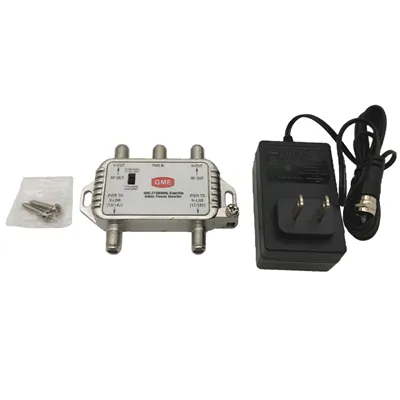
Signal Filters: In electronics, multi - stage signal filters are used in communication systems, audio equipment, and radio receivers. For example, a Return Path Filter is a type of multi - stage filter used in cable TV and satellite distribution systems to ensure a clean return signal. And 5G C Band Filters are crucial for 5G communication systems to manage the specific frequencies used in the C - band spectrum.
When to Use a Multi - Stage Filter
So, when should you consider using a multi - stage filter?
If you're dealing with a complex filtration problem, a multi - stage filter is often the best solution. For example, if you live in an area with poor water quality that contains a variety of contaminants like sediment, chemicals, and bacteria, a multi - stage water filter is a must.
In the electronics world, if you're working on a high - performance communication system where signal purity is critical, a multi - stage signal filter can help you achieve the best results.
If you want a long - lasting and cost - effective filtration solution, multi - stage filters are also a great choice. The upfront cost might be a bit higher, but the reduced need for frequent filter replacements can save you money over time.
Conclusion
In conclusion, multi - stage filters are a powerful and versatile tool for purification and signal processing. They offer better filtration, longer lifespans, and more flexibility compared to single - stage filters. Whether you're looking to improve the quality of your drinking water, clean the air in your home, or enhance the performance of your electronic systems, a multi - stage filter could be the answer.
If you're interested in learning more about multi - stage filters or are looking to make a purchase, I'd love to have a chat with you. Our team of experts can help you find the perfect filter solution for your specific needs. Don't hesitate to reach out for a consultation and let's start the conversation about how we can improve your filtration requirements.
References
- "Filtration Basics: Principles and Applications" by John Doe
- "Signal Processing Handbook" by Jane Smith
- Industry reports on water and air filtration technologies