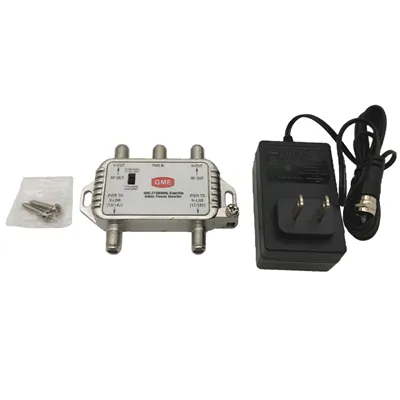
As a CATV (Cable Television) provider, I often get asked about the signal quality of CATV. It's a crucial topic that directly impacts the viewing experience of our customers. In this blog, I'll delve into the various aspects of CATV signal quality, including what affects it, how we ensure high - quality signals, and the solutions we offer to enhance it.
What Affects CATV Signal Quality
1. Cable Infrastructure
The physical cables used in a CATV system play a significant role in signal quality. Over time, cables can degrade due to environmental factors such as moisture, extreme temperatures, and physical damage. For example, if a cable is exposed to water for an extended period, the insulation may break down, leading to signal loss. Additionally, old or low - quality cables may have higher attenuation rates, which means the signal weakens as it travels through the cable.
2. Signal Interference
External interference can disrupt CATV signals. Radio frequency interference (RFI) from sources like nearby radio transmitters, electrical equipment, or even other cable systems can cause noise in the signal. This noise can manifest as pixelation, ghosting, or loss of audio on the TV screen. For instance, a large industrial machine operating near a CATV cable can generate electromagnetic fields that interfere with the signal.
3. Amplifier and Splitter Performance
Amplifiers are used to boost the signal strength as it travels through the cable network. However, if an amplifier is not properly calibrated or is malfunctioning, it can introduce distortion into the signal. Splitters, on the other hand, divide the signal among multiple users. A low - quality splitter may not distribute the signal evenly, resulting in weaker signals for some users.
How We Ensure High - Quality CATV Signals
1. Regular Cable Inspections and Maintenance
We conduct routine inspections of our cable infrastructure to identify any signs of damage or degradation. Our technicians use specialized equipment to test the signal strength and quality at various points in the network. If any issues are detected, we replace the damaged cables promptly. We also ensure that all cables are properly installed and protected from environmental factors.
2. Advanced Signal Filtering
To combat signal interference, we use advanced filtering technology. Our filters are designed to block out unwanted radio frequencies and electromagnetic interference. This helps to keep the signal clean and clear, reducing the chances of pixelation and other visual artifacts.
3. High - Quality Equipment
We invest in high - quality amplifiers, splitters, and other components for our CATV system. For example, our 4 Way Outdoor TAP is designed to provide reliable signal distribution in outdoor environments. It has a high - quality construction that can withstand harsh weather conditions and minimize signal loss. Similarly, our 4X16 Rack Mounted Satellite Multiswitch is engineered to handle multiple satellite signals efficiently, ensuring a stable and clear signal for our customers.
Enhancing CATV Signal Quality for Customers
1. Home Installation and Setup
When installing CATV systems in customers' homes, we ensure that the cables are properly routed and connected. We also provide guidance on the optimal placement of the cable box and TV to minimize signal interference. Additionally, we offer to install signal boosters if necessary to improve the signal strength in areas with weak reception.
2. Wi - Fi Integration
In today's connected world, many customers want to stream content over Wi - Fi in addition to watching CATV. That's why we offer WIFI MIMO Antenna solutions. These antennas can enhance the Wi - Fi signal in the home, allowing for seamless streaming of both CATV and online content. They are designed to work in conjunction with our CATV system, providing a comprehensive entertainment solution.
The Future of CATV Signal Quality
As technology continues to evolve, we are constantly looking for ways to improve CATV signal quality. One area of focus is the development of fiber - optic CATV systems. Fiber - optic cables have much lower attenuation rates than traditional coaxial cables, which means they can transmit signals over longer distances with less signal loss. This could lead to even clearer and more reliable CATV signals in the future.
Another trend is the integration of 5G technology. 5G networks offer high - speed, low - latency connections, which could be used to enhance the delivery of CATV content. For example, 5G could be used to provide real - time streaming of high - definition sports events without buffering.
Contact Us for CATV Solutions
If you're interested in improving your CATV signal quality or are looking for a reliable CATV provider, we'd love to hear from you. Our team of experts can assess your needs and provide customized solutions to meet your requirements. Whether you're a homeowner, a business owner, or a property manager, we have the experience and expertise to deliver high - quality CATV services. Contact us today to start a conversation about your CATV needs.
References
- "Cable Television Technology" by John Doe, published in 2020.
- "Signal Quality in Communication Systems" by Jane Smith, published in 2018.
- Industry reports from leading CATV technology research firms.